
What Is ADHD Paralysis? 8 Ways to Manage It Effectively
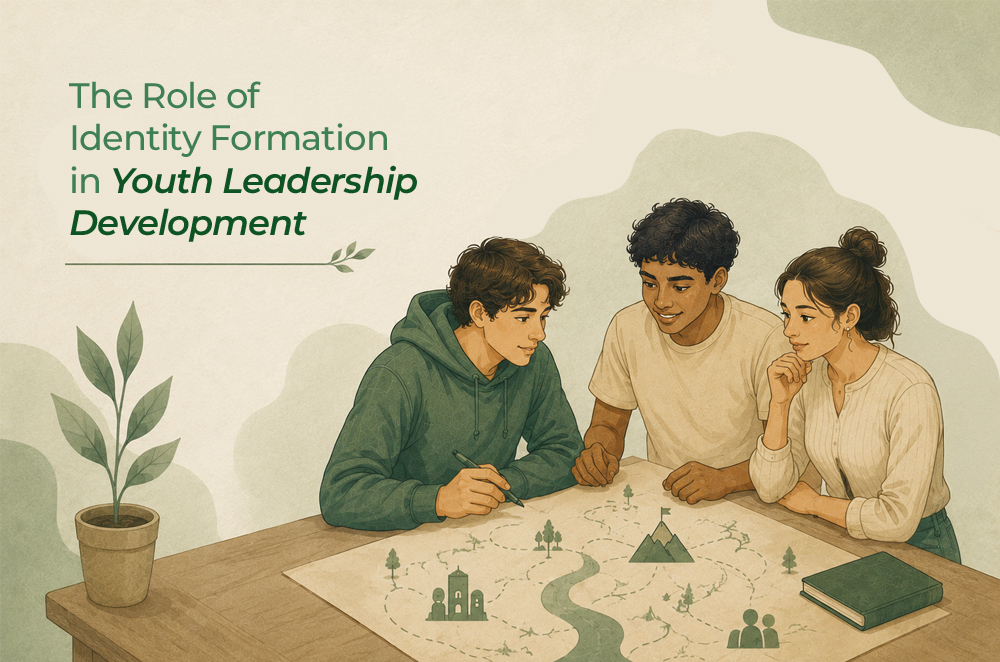
The Role of Identity Formation in Youth Leadership Development
Leadership is often viewed as a collection of skills that can be taught through workshops, activities, or experience. While these elements certainly matter, they are rarely where leadership truly begins. Before young people learn how to lead others, they first need to understand who they are. Their values, beliefs, strengths, and sense of purpose shape the kind of leaders they eventually become.
This process of identity formation is central to youth leadership development. When young people have the opportunity to explore their identity in supportive environments, leadership becomes less about authority and more about authenticity, collaboration, and responsibility.
This blog explores why identity formation is the foundation of youth leadership development, how adolescence shapes leadership potential, and why helping young people discover themselves is one of the most valuable investments any leadership program can make.
Why identity comes before leadership
Leadership is often associated with confidence, communication, or decision-making. Yet these qualities become difficult to sustain without a strong sense of self. Young people who are still defining their beliefs often look outward for validation, making leadership feel dependent on approval rather than purpose.
Developing a clear sense of self gives young people the confidence to make decisions that reflect their own values rather than external expectations. This is one of the reasons youth leadership development is most effective when it begins with self-awareness instead of performance.
Leadership becomes more sustainable when it grows from understanding oneself rather than trying to meet everyone else’s definition of a leader.
Understanding identity during adolescence
Adolescence is a period of exploration rather than certainty. Young people naturally question who they are, where they belong, and what kind of future they want to create. This process of adolescence and identity development is not a distraction from leadership; it is the very foundation upon which leadership is built.
Rather than seeing uncertainty as weakness, effective youth leadership training recognises it as an important stage of growth. Exploration allows young people to test ideas, challenge assumptions, and develop confidence through experience instead of simply adopting the beliefs of others.
When identity has room to evolve, leadership becomes more resilient because it is built on personal understanding rather than imitation.
From following leaders to becoming one
Leadership identity develops gradually. Most young people begin by viewing leadership as something reserved for teachers, captains, or authority figures. Over time, participation in teams, community projects, and collaborative experiences helps them realise that leadership is not simply a position but a way of contributing.
As young people become more confident in who they are, they move from asking, “Who is the leader?” to asking, “How can I contribute?” This transition encourages empathy, shared responsibility, and stronger relationships.
Many youth leadership training experiences create opportunities for this shift by allowing participants to experiment with different roles in supportive environments where learning is valued more than perfection.
Why exploration builds stronger leaders
Some of the most valuable leadership lessons emerge through exploration rather than instruction. Trying new responsibilities, making mistakes, and reflecting on those experiences help young people understand both their strengths and their limitations.
This is why effective leadership training for teens creates opportunities for experimentation instead of focusing only on performance. Young people who are encouraged to ask questions and explore different approaches often develop greater adaptability than those who simply learn leadership theories.
This approach strengthens youth leadership development because growth happens through reflection and experience rather than simply acquiring leadership skills.
The influence of environment on identity
Identity does not develop in isolation. Families, schools, communities, peers, and culture all influence how young people see themselves and the possibilities they believe are available to them.
Supportive leadership initiatives youth development programs create environments where young people feel safe enough to explore different aspects of themselves without fear of failure or judgment. These experiences encourage curiosity, reflection, and confidence while helping adolescents discover their own voice.
This broader perspective is particularly important during adolescence and identity development, when external messages can significantly influence self-belief and confidence.
Leadership as collaboration rather than authority
As young people develop greater confidence in themselves, leadership often becomes more collaborative. They begin to recognise that leadership is not about controlling others but about creating environments where everyone can contribute.
This understanding is an important outcome of youth leadership development. Rather than focusing solely on individual achievement, programs begin to emphasise listening, empathy, shared decision-making, and collective problem-solving.
Whether through a youth leadership training program or community-based experiences, young people gradually learn that authentic leadership is built through relationships rather than hierarchy.
Supporting identity beyond adolescence
Identity continues to evolve well beyond the teenage years. As young adults encounter new environments, careers, and responsibilities, they continue refining their values and leadership style.
This is where leadership training for young adults becomes especially valuable. Rather than assuming identity is already fully formed, these programs recognise that leadership continues developing alongside life experience. Reflection, mentorship, and meaningful responsibility allow young adults to strengthen both confidence and purpose.
When self-awareness remains part of the learning process, leadership becomes more adaptable and better equipped to navigate changing circumstances.
Building leaders who know themselves
Strong leaders are rarely defined by confidence alone. They are defined by clarity about their values, openness to learning, and the ability to lead without losing their sense of self.
By integrating identity formation into youth leadership development, organisations help young people build more than leadership skills. They help them develop self-awareness, resilience, empathy, and purpose that remain valuable long after any program has ended.
Whether through leadership training for teens, a structured youth leadership training program, or broader leadership initiatives youth development programs, creating space for identity exploration allows leadership to grow in ways that are authentic, sustainable, and deeply human.
Conclusion
Leadership is not simply something young people learn to do. It is something they grow into as they learn more about themselves. Identity formation provides the foundation that allows leadership to become authentic rather than performative, helping young people lead with confidence, empathy, and purpose instead of external validation.
Through meaningful youth leadership development, supported by thoughtful youth leadership training, leadership training for young adults, and opportunities that recognise the importance of adolescence and identity development, young people gain more than leadership skills. They develop a clearer understanding of who they are and the kind of positive impact they want to have on the world.
Ankita Jagtiani works with young people, educators, and organisations to design programs that support leadership through self-awareness, emotional growth, and identity exploration. Her approach to youth leadership development focuses on helping individuals build authentic confidence, meaningful relationships, and leadership grounded in purpose rather than position.