
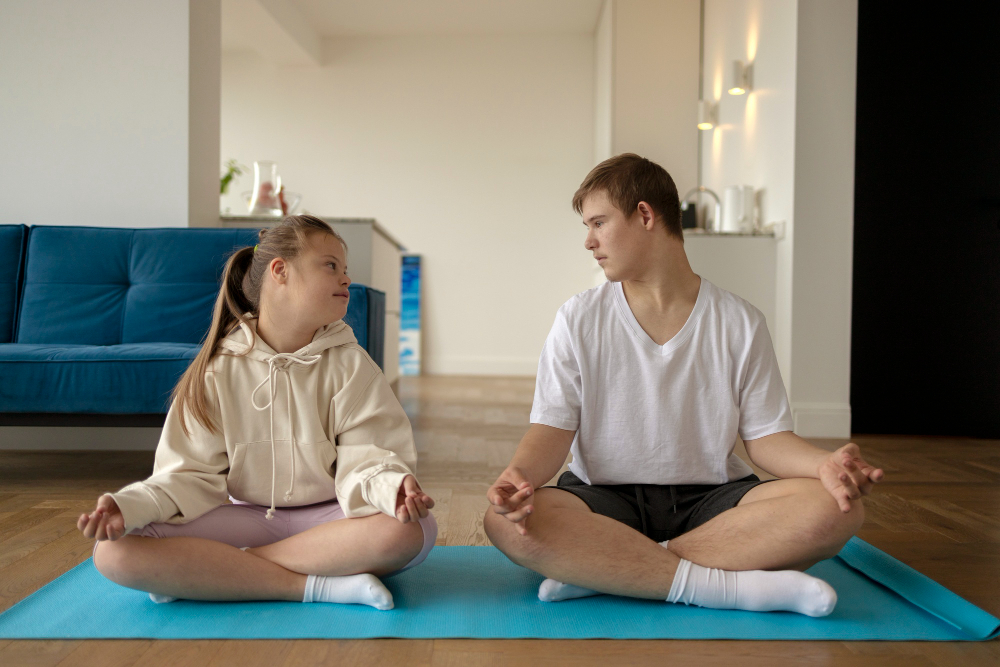
How Yoga Encourages Self-Awareness and Discipline in Kids With ADHD
Attention-Deficit Hyperactivity Disorder (ADHD) is a neurodevelopmental condition marked by persistent symptoms of inattention, hyperactivity, and impulsivity that affect many children worldwide. Managing ADHD can be challenging, and while medication and behavioural therapies remain cornerstone treatments, complementary approaches like yoga have gained recognition for their unique benefits. Particularly for children with ADHD, yoga encourages self-awareness and discipline, two foundational skills that can lead to better focus, emotional regulation, and overall well-being. This blog explores how yoga serves as an effective part of ADHD treatment, addresses anxiety, and highlights the role of coaches in supporting young practitioners.
How Yoga Supports ADHD Treatment in Children
Yoga is a natural remedy for ADHD, integrating physical postures, controlled breathing, and mindfulness meditation into a holistic practice that engages the mind and body simultaneously. For children with ADHD, yoga offers targeted benefits that address core symptoms and related challenges:
Enhancing Self-Awareness: Yoga requires children to pay close attention to their bodies, breath, and mental state. Mindfulness practices incorporated into yoga encourage kids to observe their thoughts and emotions without judgment. This helps develop greater self-awareness, an essential skill for recognising distractions, managing impulses, and improving focus over time.
Building Discipline Through Routine: The structured nature of yoga classes instills routine and predictability, which benefits children who struggle with organisation and sustained attention. Learning and consistently practising specific poses and breathing exercises fosters discipline, patience, and perseverance. This can translate into improved ability to complete tasks, follow instructions, and regulate behaviour in other settings like school and home.
Manages ADHD & Anxiety: Many children with ADHD also experience anxiety, which can exacerbate difficulties with attention and emotional control. Yoga’s emphasis on deep, rhythmic breathing activates the parasympathetic nervous system, promoting relaxation and reducing stress hormones. Regular yoga practice can decrease anxiety symptoms, making it easier for children to concentrate and respond calmly to challenges.
Improving Focus and Attention: Through physical movement paired with mindful awareness, yoga promotes better attention regulation. Holding poses requires concentration and fine motor control, which helps train children to sustain attention and resist impulsive actions. Studies show that kids with ADHD participating in yoga have improved reaction times and reduced hyperactivity.
Enhancing Emotional Self-Regulation: The practice of controlled breathing and mindful movement teaches children to calm their nervous systems and respond thoughtfully rather than react impulsively. This improved emotional regulation reduces frustration, outbursts, and behavioural challenges commonly seen in ADHD.
Boosting Self-Esteem and Social Skills: Mastering new yoga poses and participating in group classes builds confidence and fosters positive social interaction. Social engagement in structured environments helps children develop communication skills and reduce feelings of isolation.
Evidence Supporting Yoga and ADHD
Research supports yoga as a valuable complementary therapy for managing ADHD symptoms. For example, studies have documented significant improvements in attention, self-control, and behaviour in children with ADHD after consistently practising yoga over several weeks. One study found that an eight-week yoga program improved sustained attention and reduced impulsivity in school-aged children. Others have noted decreased hyperactivity and anxiety levels following yoga interventions. These benefits arise from yoga’s holistic engagement of the mind-body connection, enabling children to gain control over symptoms that traditional treatments may not fully address alone.
However, experts emphasise that yoga should complement, not replace, evidence-based ADHD treatments such as medication and behavioural therapy. Incorporated into a comprehensive treatment plan, yoga enhances children’s ability to manage their symptoms and navigate daily challenges more effectively.
Yoga, ADHD, and Anxiety: An Interconnected Challenge
Anxiety frequently co-occurs with ADHD, compounding difficulties with attention and emotional control. Yoga’s role in calming the mind is particularly beneficial for children facing these intertwined challenges. Mindfulness practices foster a sense of present-moment awareness that helps break cycles of worry and distraction. Deep breathing exercises reduce physiological arousal associated with anxiety, creating a calmer mental state conducive to learning and social interaction. Thus, yoga serves as a bridge by addressing both ADHD & anxiety symptoms and co-existing anxiety, offering a powerful tool for holistic mental health.
The Role of ADHD Coaches in Supporting Yoga and ADHD Management
ADHD coaches are trained professionals who help individuals with ADHD develop actionable strategies to improve focus, organisation, emotional regulation, and goal-setting skills. For children practising yoga, coaches can reinforce the benefits of yoga by integrating mindfulness and self-regulation techniques into daily routines. They help children translate skills learnt, such as patience, body awareness, and controlled breathing, into academic, social, and home environments. Coaches work collaboratively with families, educators, and therapists to provide consistent support, motivation, and feedback tailored to each child’s unique needs. Integrating coaching with yoga practice creates a comprehensive support system, empowering kids to manage ADHD symptoms effectively.
Practical Tips for Introducing Yoga to Kids With ADHD
Start Small and Be Consistent: Begin with short yoga sessions (5-10 minutes), gradually increasing as children become more comfortable. Consistency is crucial for building lasting habits.
Choose Child-Friendly Yoga: Select age-appropriate poses that emphasise fun and creativity, like animal or nature-inspired postures, to keep children engaged.
Incorporate Breathing and Meditation: Teach simple breathing exercises such as “balloon breathing” or “bee breath” alongside physical poses to promote calm.
Create a Quiet, Distraction-Free Space: Designate a calm area for yoga practice to enhance focus and relaxation.
Use Guided Classes or Certified Instructors: Engage yoga professionals experienced with kids and ADHD to ensure safe, supportive practices.
Combine with other ADHD Treatments: Coordinate yoga with behavioural therapy, medication & working with ADHD coaches for optimal outcomes.
Conclusion
Yoga offers a nurturing and effective way to encourage self-awareness and discipline in kids with ADHD, supporting their journey toward better focus, emotional balance, and confidence. By addressing the physical, mental, and emotional aspects of ADHD symptoms, yoga complements traditional ADHD treatment and also alleviates common co-occurring challenges like anxiety. When paired with guidance from ADHD coaches, yoga becomes an even more powerful natural remedy for ADHD, helping children apply mindfulness and self-regulation skills across various facets of their lives. Families seeking holistic options for managing ADHD symptoms should consider yoga as a valuable addition to their child’s treatment plan, empowering kids to cultivate calm, awareness, and discipline that can transform their developmental trajectory.
Ankita Jagtiani is a certified life, POSH, and ADHD coach passionate about integrating holistic practices into ADHD treatment for comprehensive growth and empowerment.